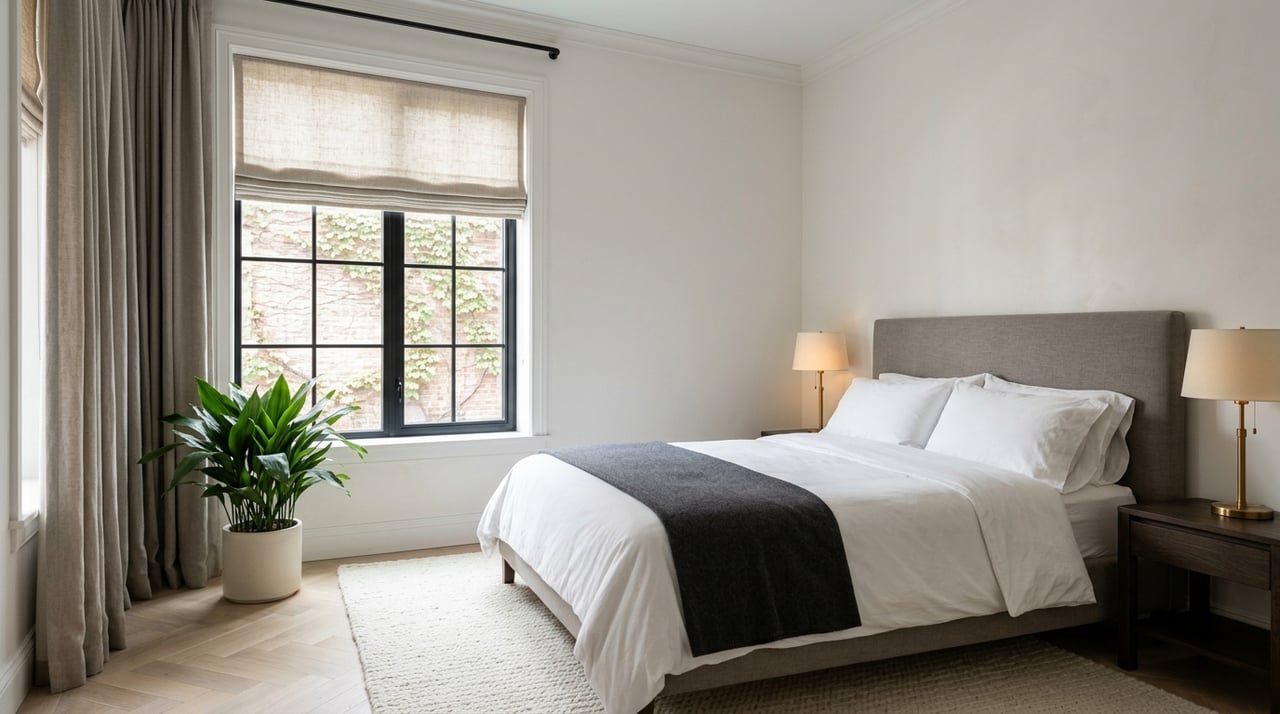
City energy is part of U Street’s appeal, but it can make peace at home feel like a luxury. If you live in this part of Washington, or you are thinking about buying here, you may be wondering how to create a home that feels calm without losing what makes the neighborhood special. The good news is that a peaceful U Street home usually comes from smart layers of design, not from fighting the character of the corridor. Let’s dive in.
Understand the U Street setting
The U Street Corridor blends residential life with one of the city’s most active commercial and entertainment areas. District planning materials describe Ward 1 as a place where many neighborhoods are defined by row houses, while public information about U Street highlights its nightlife, the historic Lincoln Theatre, and Green Line access at 13th and U Streets.
That mix matters inside the home. In the U Street Historic District and nearby blocks, you may see narrow Victorian row houses, smaller commercial buildings, and newer multi-story residential buildings all within a few blocks of one another. The result is a neighborhood where street life is lively, but your interior design choices need to work harder for privacy, comfort, and quiet.
Use layout to create calm
One of the simplest ways to design for peace is to think of your home in zones. In a neighborhood like U Street, the front of the home often faces the most activity, so it makes sense to treat that area as the more social side of the home.
If your layout allows, place quieter functions toward the rear or on upper levels. Bedrooms, reading nooks, or work areas often feel more restful when they are farther from the front façade. Closets, bathrooms, and storage spaces can also act as useful buffers between busy street-facing rooms and the areas where you want more privacy.
Row houses need smart zoning
Many U Street row houses follow long, narrow floor plans. Some historic blocks include compact bay-front houses with limited width, which makes every room placement decision more important.
In that kind of layout, you may not be able to move every quiet space to the back. Still, you can create separation by placing less noise-sensitive uses near the front, such as a sitting area, dining space, or office that does not require complete silence. Even a small buffer can make the rest of the home feel noticeably calmer.
Newer buildings need the same logic
In newer multi-story residences, the principle is the same. If one wall has the most exposed glazing or the strongest street presence, treat that side as the more public edge of the home.
Use furniture placement and room planning to protect your quieter zones. A media area, kitchen, or dining space can often live comfortably near larger windows, while sleeping areas benefit from more separation when possible.
Start with the windows
In U Street, windows do a lot of the heavy lifting. They shape light, views, privacy, energy performance, and how much of the outside world you feel once you step indoors.
The U.S. Department of Energy notes that window attachments can improve energy performance, reduce glare, and create a more comfortable environment. In practical terms, that means the right window treatment can help your home feel softer and more controlled without making it feel dark.
Choose shades for privacy and daylight
Top-down, bottom-up shades are especially useful in dense urban settings. They let you bring in daylight while limiting direct sightlines from the street or nearby buildings.
Insulated cellular shades are one of the strongest choices for comfort. According to the Department of Energy, they have the highest R-values among common window coverings and can reduce heat loss through windows by 40% or more during heating seasons when tightly installed. They can also reduce unwanted solar heat by up to 60% in cooling seasons.
Layer drapery for softness
If you want a room to feel quieter and more finished, drapery can make a meaningful difference. Medium-colored draperies with white plastic backings can reduce heat gain by 33%, and many conventional draperies can reduce heat loss from a warm room by up to 10% when drawn in cold weather.
For the best performance, hang drapes close to the window and seal the sides as much as possible. Two draperies hung together create a tighter air space, which improves performance while also adding visual warmth. In a historic row house or a newer condo, this kind of layered fabric can help soften hard lines and create a more restful atmosphere.
Protect the view when needed
Not every U Street home should hide its windows. If your view is part of the appeal, blinds can help reduce glare and summer heat gain without fully blocking the outside.
Window films are another useful tool when direct sun is a challenge. The Department of Energy notes that films can block solar heat gain while reducing glare and ultraviolet exposure, which helps preserve comfort and interior finishes.
Tighten the envelope for comfort
A calm home is not only about sound. Drafts, temperature swings, and outdoor air leaks can make a space feel unsettled even when it looks beautifully designed.
Energy guidance from the Department of Energy and Building Science Education shows that air sealing around windows, doors, wiring, ducts, and other openings can improve comfort, indoor air quality, noise control, and durability. In a city setting, these details are often where the biggest day-to-day gains come from.
Focus on small gaps
You do not always need a major renovation to feel a difference. Caulking cracks and sealing penetrations can reduce air movement, and weatherstripping can improve how well doors and windows close.
Door sweeps and magnetic or foam seals are especially practical. They help create a tighter barrier between your home and the hallway, rear yard, or street, which can support both comfort and a greater sense of quiet.
Consider storm windows carefully
If your home needs a stronger upgrade, low-e storm windows can be a valuable option. The Department of Energy notes that they can reduce drafts, increase comfort, reduce noise, cut overall home air leakage by 10% or more, and save 10% to 30% on heating and cooling costs.
For urban homes, that mix of benefits is hard to ignore. If you own in or near the historic district, interior-focused improvements like this may also be more practical than major façade changes.
Choose materials that support rest
A peaceful home should feel good, not just look good. That means paying attention to air quality, moisture, and odors during any update.
The EPA recommends controlling moisture, ventilating kitchens and baths, and minimizing VOCs during remodeling. It also suggests materials such as solid wood with low-emitting finishes, prefinished products, and low-emitting sealants, along with good ventilation during and after application.
Prioritize low-odor finishes
Freshly renovated spaces can still feel stressful if they trap lingering smells or humidity. Choosing low-emitting materials can help create a home that feels settled more quickly.
This is especially important in compact urban homes, where rooms are closer together and airflow may be more limited. A bedroom can have beautiful paint, lighting, and linens, but if ventilation is poor, it will not feel truly restful.
Keep kitchens and baths dry
Moisture management is part of peace too. Kitchens and baths produce heat, humidity, and odors, and if those are not vented well, they can spread discomfort through the home.
When you are planning improvements, good ventilation in these spaces should rank high on the list. It supports indoor comfort and helps protect the materials and finishes you invest in.
Respect historic-district constraints
In the U Street Historic District, exterior changes may face more constraints than interior ones. Historic preservation guidance emphasizes character-defining elements such as projecting bays, vertical window proportions, masonry-to-glass balance, and the overall rhythm of the façade.
That means peace-making upgrades often work best when they happen inside the home. Window treatments, air sealing, storm windows, room planning, and finish choices can all improve comfort without changing the architectural character that makes the property distinctive.
Interior upgrades often go farther
If you are weighing design changes before a move or sale, start with the updates that support daily comfort and preserve the building’s look. In many U Street properties, those are the improvements that deliver the best balance of function and fit.
This approach also respects what makes the corridor special. You are not trying to erase the neighborhood’s energy. You are designing a home that gives you a calm place to return to within it.
Think like a buyer and owner
Whether you are buying, renovating, or preparing to sell, peaceful design has practical value. Buyers in urban neighborhoods often respond to homes that feel quiet, private, and comfortable the moment they walk in.
That does not mean a home has to be silent or secluded. In U Street, it means the home feels intentional. A well-zoned floor plan, layered window treatments, better sealing, and thoughtful material choices can make a property feel more refined and more livable.
For sellers, these details can also strengthen presentation. For buyers, they help you look past the street scene and evaluate how a home will actually support your day-to-day life.
If you are considering a move in U Street, or you want guidance on how a home’s layout, historic context, and comfort features may affect value and livability, The Martin & Jeff Group offers discreet, senior-led advice grounded in deep Washington market knowledge.
FAQs
How can you make a U Street home feel quieter?
- Use layered strategies such as placing quieter rooms away from the street, adding insulated shades or drapery, sealing gaps around doors and windows, and considering low-e storm windows where appropriate.
What window treatments work best for privacy in U Street homes?
- Top-down, bottom-up shades are especially useful because they let in daylight while helping limit direct views from the street or nearby buildings.
What design approach works well in U Street row houses?
- In many row houses, it helps to treat the street-facing side as a more social zone and place sleeping or retreat spaces toward the rear or upper floors when the layout allows.
What should you know about updating a home in the U Street Historic District?
- Exterior changes may be more constrained, so interior improvements such as window treatments, air sealing, storm windows, and low-emitting finish updates are often the most effective path.
Why do air sealing and ventilation matter in U Street homes?
- They help reduce drafts, improve comfort, support indoor air quality, and make the home feel calmer and more consistent throughout the day and night.
