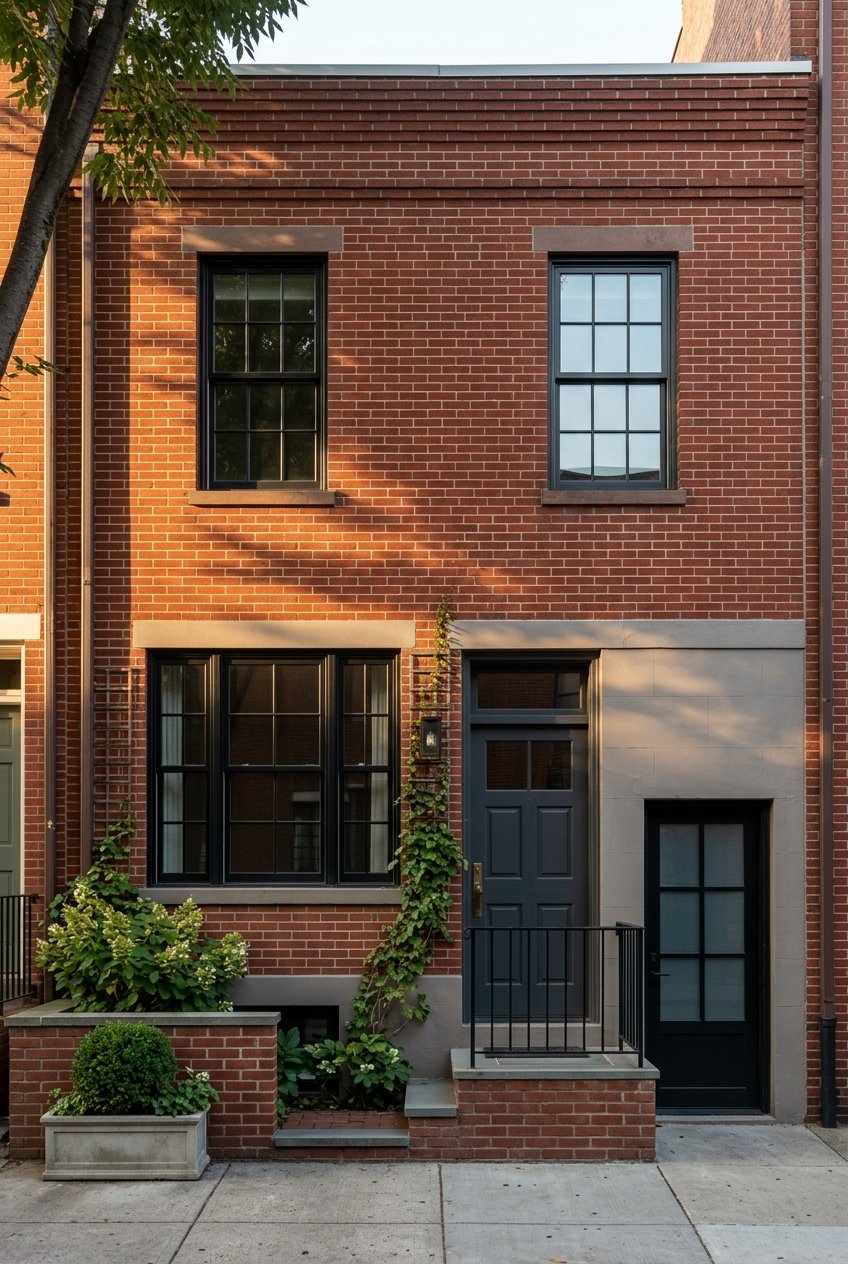
If you are looking at small multi-unit property in Shaw, the appeal is easy to see. You get a central Washington location, strong transit access, historic building character, and a neighborhood fabric that blends residential, commercial, and mixed-use forms. At the same time, buying well in Shaw means understanding how historic context, permitting, rental rules, and building configuration can shape both risk and upside. Let’s dive in.
Why Shaw attracts multi-unit buyers
Shaw stands out as one of Washington’s most connected urban neighborhoods. It sits just north of downtown, is anchored in part by the Walter E. Washington Convention Center and the U Street corridor, and is served by the Shaw-Howard U Metro station on the Green and Yellow lines.
That connectivity matters when you evaluate a smaller apartment building, rowhouse conversion, or mixed-use property. Renters often value access to transit, dining, and daily services, and Shaw’s location supports a car-light lifestyle that can broaden demand.
The neighborhood has also seen meaningful reinvestment over time. The District’s Office of Planning notes significant recent change, including renovated houses and new multifamily and commercial development, especially along the 14th Street corridor.
Shaw’s building stock is varied
One reason Shaw is so interesting for small multi-unit buyers is the range of building types you may encounter. The neighborhood developed over a long period, and its historic fabric includes rowhouses, alley structures, commercial buildings, and early apartment buildings.
For you as a buyer, that means each opportunity may behave very differently. A two-unit rowhouse conversion, a former store-and-flat building, and an early 20th-century apartment building can each offer a very different path for income, renovation, and long-term maintenance.
Common small multi-unit types in Shaw
You are likely to see several recurring formats in Shaw:
- Flat-fronted rowhouses and rowhouse conversions
- Former store-and-flat buildings along commercial corridors
- Early apartment buildings from the turn of the 20th century
- Alley and infill structures in areas such as Blagden Alley/Naylor Court
These buildings often carry features such as projecting bays, raised foundations, mansard roofs, corbelled brick cornices, and in some cases storefronts with housing above. In early apartment buildings, you may also find brick and stone detailing, overhanging cornices, and molded lintels.
Why architecture affects your plans
In Shaw, architecture is not just aesthetic. It directly affects what kind of renovation work may be practical, what exterior changes may be reviewed, and how costly certain upgrades may become.
For example, a building with historic exterior features may offer strong visual appeal and rental interest, but it may also require a more careful approach to additions, openings, roof work, or mechanical placement. That makes early property-level review especially important.
What value-add usually looks like in Shaw
In some neighborhoods, value-add means aggressive reconfiguration. In Shaw, the better strategy is often more measured. The most realistic path is usually to improve livability, reduce deferred maintenance, and increase usable value without working against the historic character of the building or block.
That is especially true within the Shaw Historic District, where compatibility, visibility from the public right-of-way, and preservation standards can shape what is feasible.
Value-add strategies that often fit
Based on the District’s preservation guidance, practical value-add themes in Shaw often include:
- Interior reconfiguration to improve unit mix or bedroom count
- Systems upgrades that reduce maintenance risk
- Rear or roof additions where preservation rules allow
- Storefront rehabilitation for mixed-use buildings
- Basement or lower-level improvements where code and light and egress conditions support them
The Historic Preservation Office has said that some compatible minor work can often be cleared more quickly. That may include repairs, replacement of windows and doors, basement areaways and window wells, rear porches and decks, roof decks and roof access stairs, HVAC and other mechanical equipment, and small additions within stated size limits.
Rear additions are not unusual
Shaw’s preservation record shows that rear additions are already part of the neighborhood’s growth pattern. In practice, rear additions and top-floor work may be viewed more favorably when they are not visible from the public right-of-way, fit approved massing nearby, and avoid unnecessary demolition of historic material.
That does not mean every addition will work. It does mean that well-designed expansion can be possible, especially when it respects scale, setback, roof shape, and materials.
Due diligence matters more here
A Shaw multi-unit purchase can look promising on paper and still carry major issues if the legal use, permit history, or rental compliance is unclear. Older, character-rich buildings often require more careful review than newer product.
Before you get too far into underwriting, it helps to separate three questions. First, what is the building legally allowed to be? Second, what work was actually done? Third, what ongoing compliance obligations come with operating it as rental property?
Check legal use and occupancy
The District’s Department of Buildings says a Certificate of Occupancy verifies that a building’s use complies with zoning regulations, construction codes, and the Green Building Act. For a small multi-unit buyer, that makes the Certificate of Occupancy a core diligence item.
You should confirm the current legal use, whether any planned conversion would change the use or occupant load, and whether recent renovation work was properly permitted and reviewed. A building marketed one way is not always documented the same way.
Review rental licensing and inspections
If the property will operate as rental housing, licensing and inspection requirements matter. The Department of Buildings says rental property providers must obtain and pass a DOB inspection to get or renew a Basic Business License.
DOB also says District rental properties with three or more units are automatically enrolled in the Proactive Inspection Program and billed on the rental-license cycle. That means even a well-maintained small apartment building may carry recurring inspection and compliance obligations.
Understand rent control registration
Rent control review is another major step in DC due diligence. DHCD says all rental units in the District must be registered with the Rental Accommodations Division either as subject to rent control or exempt from rent control.
DHCD also states that any unit not registered automatically falls under rent control. Common exemptions identified by DHCD include units built after 1975, subsidized housing, and units owned by a natural person who owns no more than four rental units in the District.
The RentRegistry database can be a useful review tool because it is intended to provide searchable information such as base rents, services and facilities, rent adjustments, unit features, and vacancy status. For a buyer comparing options, that information can help clarify what you are really acquiring.
Analyze TOPA early
In DC, transfer rules deserve early legal review. DHCD’s current RENTAL Act FAQ explains that there are new TOPA exemptions for some properties with two to four rental units if a business or corporation does not own a majority of the economic or ownership interest, along with several exemptions affecting some transfers of larger properties.
The key point is practical, not theoretical. You should have counsel review the statute, current Notice of Transfer forms, and any claimed exemption early in the process because the housing provider bears the burden of proving eligibility.
Pay attention to lead risks
Because much of Shaw’s housing stock predates 1978, lead hazard review is especially important. DC health and environmental sources say pre-1978 residential property is presumed to have lead-based paint hazards unless documented otherwise.
In older rental property, disclosures may also address lead plumbing and water systems. If you are evaluating an older Shaw building, lead-related inspections, disclosures, and contractor practices should be part of your diligence planning from the start.
Confirm preservation review pathway
If your plan includes exterior alterations, additions, new openings, or roof work, preservation review should be checked early. In Shaw, that matters because much of the neighborhood sits within the historic district.
Compatible minor work may be handled by the Historic Preservation Office, while major alterations and incompatible proposals go to the Historic Preservation Review Board. Even relatively small changes can be judged based on visibility, massing, and compatibility with surrounding historic fabric.
How to evaluate upside realistically
The strongest Shaw opportunities often come from disciplined buying, not optimistic assumptions. A property with authentic character, sound legal use, and a workable improvement path may prove more attractive than one with a flashy but uncertain repositioning story.
As you assess upside, focus on practical questions:
- Is the current use clearly documented?
- Does the unit layout support today’s rental demand?
- Are systems likely to need near-term replacement?
- Is there credible room for rear or roof expansion?
- Will preservation review limit your timeline or scope?
- Are rent control and licensing records complete and current?
In Shaw, value creation often comes from doing the basics exceptionally well. Clear compliance, thoughtful upgrades, and respect for the building’s original fabric can be more effective than trying to force a property into a model it was never designed to support.
Why local guidance helps in Shaw
Small multi-unit assets in Shaw can be rewarding, but they rarely fit a generic playbook. Historic district context, mixed building types, and DC-specific rental rules create a level of complexity that rewards experienced local guidance.
That is particularly true when you are weighing tradeoffs between preservation constraints, building condition, legal use, and future resale appeal. A calm, property-specific evaluation can help you avoid expensive surprises and identify opportunities that genuinely fit your goals.
If you are considering a small multi-unit purchase or sale in Shaw, The Martin & Jeff Group can help you assess the opportunity with experienced, discreet local guidance.
FAQs
What makes Shaw appealing for small multi-unit property buyers?
- Shaw offers central location, Metro access via Shaw-Howard U, a mix of residential and commercial building types, and continued reinvestment that can support rental appeal.
What types of small multi-unit buildings are common in Shaw?
- Common building types include rowhouse conversions, former store-and-flat buildings, early apartment buildings, and some alley or infill structures.
What kind of value-add work is often realistic in Shaw?
- The most common paths include interior reconfiguration, systems upgrades, basement improvements where code supports them, storefront rehabilitation, and carefully designed rear or roof additions.
Why is historic preservation review important in Shaw?
- Much of Shaw sits within a historic district, so exterior work, additions, roof changes, and new openings may require review based on compatibility, visibility, scale, and massing.
What should buyers confirm about legal use in a Shaw multi-unit building?
- Buyers should confirm the Certificate of Occupancy, current legal use, any proposed change in use or occupant load, and whether prior renovation work was properly permitted and reviewed.
How do rental licensing rules affect Shaw small apartment buildings?
- District rental property providers must pass DOB inspection to obtain or renew a Basic Business License, and properties with three or more units are automatically enrolled in the Proactive Inspection Program.
Why should buyers review rent control status for Shaw rental units?
- In DC, all rental units must be registered as subject to rent control or exempt, and unregistered units automatically fall under rent control.
What older-building issue is especially important in Shaw?
- Because much of Shaw’s housing stock predates 1978, lead hazard review, disclosures, and lead-safe contractor practices are especially important diligence items.
