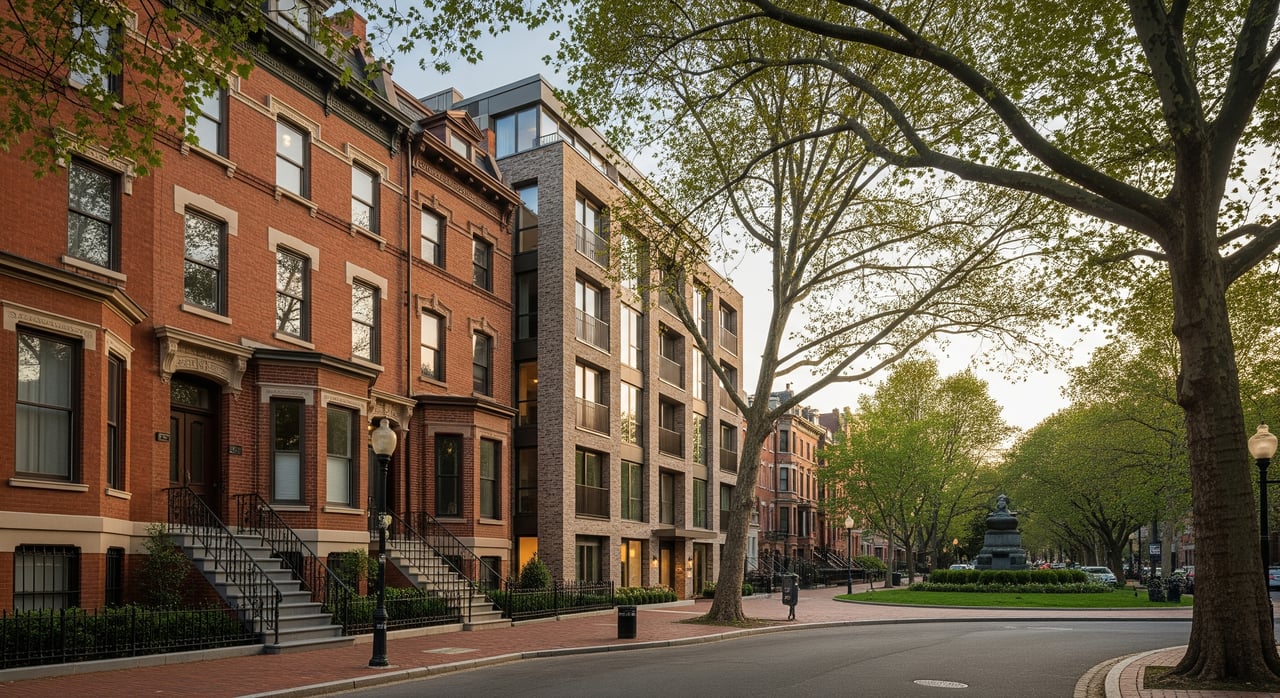
Planning a renovation or small development in Logan Circle can feel like learning a new language. You may hear about ANC 2F, historic review, and zoning all at once, and wonder which part actually decides what you can build. You want a smooth path, predictable timing, and a design that respects the neighborhood while meeting your goals. In this guide, you’ll learn how ANC decisions fit into the review process, what reviewers focus on in Logan Circle, realistic timelines, and practical steps to streamline approvals. Let’s dive in.
ANC 2F in plain English
ANC 2F is your local, elected neighborhood body for Logan Circle. Commissioners represent small single‑member districts and hold public meetings where community members can comment on development proposals. The ANC adopts resolutions that support, oppose, or condition projects.
ANC positions are advisory. They do not issue permits or final approvals. Their recommendations carry weight with city agencies and boards, and they become part of the public record that decision makers review.
Historic review in Logan Circle
Much of Logan Circle lies within locally recognized historic areas and the National Register district. Exterior changes visible from public space, demolition of historic elements, and many additions or new construction projects require historic review.
Historic review is managed by the DC Historic Preservation Office (HPO) and the Historic Preservation Review Board (HPRB). HPO staff can approve many small projects administratively. Larger or precedent‑setting proposals go to HPRB for public review.
The review standard centers on compatibility with historic character. Reviewers look at scale, materials, massing, rooflines, façade rhythm, front stoops, and whether changes are visible from the street or other public space.
Where ANC input fits
ANC 2F typically reviews proposed projects through commissioners and subcommittees before the full ANC meeting. Applicants present summaries and drawings, answer questions, and may return with revisions.
The ANC may adopt a resolution that supports, opposes, or recommends conditions. That resolution is sent to HPO, HPRB, the Department of Buildings, and zoning boards as applicable. While the ANC does not approve a permit, its position often influences how boards and staff view a proposal.
If your project needs zoning relief, the ANC’s stance is also considered by the Board of Zoning Adjustment or Zoning Commission. Positive, well‑documented ANC support can materially improve outcomes at these hearings.
Common triggers and concerns
In Logan Circle, several kinds of work commonly trigger review and community discussion:
- Demolition or removal of historic façade elements.
- Additions visible from the street, including pop‑ups and front additions.
- Significant rear additions that affect massing, alleyways, or neighboring light and privacy.
- New construction where compatibility with context is required.
- Materials changes on visible elevations, such as modern cladding or altered masonry details.
- Roof decks and rooftop mechanical equipment visible from public space.
- Tree removal or major landscape changes that shape the streetscape.
Typical ANC and reviewer concerns include scale and massing, visibility from the street, materials and window patterns, privacy from roof decks, construction impacts on neighbors, and the loss of historic fabric such as cornices or stoops. Parking and alley impacts also come up.
Mitigation that often helps includes stepping back additions to reduce visibility, using compatible materials and proportions, setting back or screening rooftop elements, agreeing to a construction plan that addresses staging and hours, and documenting written understandings with adjacent neighbors.
The approval path, step by step
Early concept and outreach
- Contact HPO for a concept or pre‑application review. Learn whether staff can approve your scope or if HPRB will hear it.
- Identify your SMD commissioner and request a pre‑application conversation. Many commissioners suggest meeting adjacent neighbors early.
HPO staff review vs HPRB
- Staff‑level approvals can cover in‑kind repairs, certain window replacements, and minor rear‑yard work.
- HPRB public review is typical for demolition, large or visible additions, new construction, and precedent‑setting designs.
Zoning pathway (if needed)
- If your proposal requires relief, such as extra height, lot coverage, rear yard, or roof deck setbacks, you may need a Board of Zoning Adjustment case.
- Zoning hearings require public notice, and the ANC’s resolution is part of the record the board considers.
ANC engagement and resolution
- Present to the appropriate ANC 2F committee first. Bring clear drawings and a plain‑language summary.
- Seek a full ANC resolution in time to be included in HPO/HPRB and zoning files.
Final reviews and permits
- HPRB or HPO decisions inform your permit drawings. If zoning relief is granted, proceed to permit submission with the Department of Buildings.
Timelines you can expect
Timelines vary by scope and whether zoning relief is necessary. General ranges in Logan Circle are:
Very small projects
- HPO staff review can take a few weeks to 1–2 months.
- ANC involvement is often informal, with brief notification to your commissioner.
Moderate projects
- HPO concept review often takes 4–8 weeks, including revisions.
- HPRB calendars can add 1–3 months, depending on schedule and requested changes.
- ANC committee and full ANC timing matters because boards consider ANC comments as part of the record.
Projects needing zoning relief
- Preparing and filing a BZA case often takes 1–3 months.
- The hearing and decision cycle commonly runs 4–6 months from filing, and can be longer if postponed or appealed.
Combined HPRB and zoning
- Expect 3–12 months, depending on design iterations, number of hearings, and neighborhood negotiations.
- Sequencing is strategic. Many applicants seek HPO concept feedback, engage the ANC, then file zoning, though some reverse that order. Early ANC engagement usually shortens contested cycles.
Permitting adds time after approvals. Calendars and backlogs shift, so build in contingency.
Tips to reduce friction
Start early
- Contact HPO before detailed drawings to confirm what will be reviewed and by whom.
- Reach out to your SMD commissioner once you have basic plans and request a pre‑application conversation.
Make materials easy to understand
- Include elevations, context photos, and 3D views from the public realm. Show how the design relates to neighboring buildings.
- Prepare a concise cover memo on compatibility, materials, and mitigation such as construction management steps.
Do real outreach
- Notify adjacent owners in advance, share plans, and listen to concerns. Written understandings on privacy or site access can be persuasive.
- Offer reasonable changes that reduce visibility or impacts, like stepping back upper floors or screening rooftop elements.
Present well at ANC
- Visit the ANC committee first. Bring clear visuals and a short, plain‑language summary.
- Be ready to address privacy, construction staging, and materials choices.
Understand the record
- If the ANC supports with conditions, confirm the language is workable. It will be submitted to HPO, HPRB, zoning boards, and permitting staff.
- If the ANC opposes, consider design refinements and further outreach before a hearing.
Use experienced local professionals
- Architects and consultants with historic district and ANC 2F experience can anticipate issues and present strong solutions.
Prepare for construction impacts
- Draft a construction plan with delivery windows, staging, protection, dust control, and a site contact. Sharing this early can reduce friction.
What to expect at ANC meetings
Most applicants start at an ANC 2F committee meeting focused on preservation or planning. You will typically present a brief overview and walk through drawings and context images. Commissioners and neighbors will ask questions about visibility, scale, materials, and construction logistics.
Keep your presentation concise and visual. Emphasize compatibility, mitigation, and any neighbor communication you have completed. If the committee suggests revisions, bring updated materials to the full ANC so the final resolution reflects the most current design.
Outcomes and ANC influence
ANC resolutions usually land in three buckets: support, conditional support, or opposition. Most successful projects in Logan Circle secure support or conditional support.
HPRB and zoning boards make the legal decisions, but ANC recommendations are part of the public record and often weigh heavily, especially when they reflect broad community consensus or clear mitigation. If the ANC opposes, applicants often revise designs, expand outreach, or present additional rationale.
Buyers and owners: when to engage
If you own in Logan Circle and are considering an addition, roof deck, or exterior change, contact HPO and your SMD commissioner early. If you are buying, factor review timing into your plans for move‑in or improvements.
Before you commit to a design or a contract timeline, look up whether your property is contributing or non‑contributing in the historic district, confirm your commissioner, and check the HPRB calendar. Build room for review cycles and potential revisions, especially if zoning relief is part of your plan.
The bottom line
ANC 2F does not issue permits, but its recommendations matter. Early, genuine engagement, clear visuals, thoughtful materials, and realistic construction plans go a long way. When your design respects Logan Circle’s historic character and you address common concerns up front, approvals tend to move faster and more smoothly.
If you are planning a sale or purchase connected to a renovation, align your timeline with these processes. You can protect value, limit surprises, and arrive at a result that works for you and the neighborhood.
Ready to talk through how approvals could affect your sale or search in Logan Circle? Connect with The Martin & Jeff Group for calm, senior‑led guidance rooted in decades of local experience. The Martin & Jeff Group.
FAQs
What is ANC 2F and does it approve permits?
- ANC 2F is an elected neighborhood body that adopts advisory resolutions; it does not issue permits or grant final approvals.
How does historic review work in Logan Circle?
- HPO staff can approve small, compatible work, while larger or visible projects go to HPRB for public review focused on compatibility with historic character.
When does a Logan Circle project need zoning relief?
- If your design exceeds height, lot coverage, yard, or setback limits, or adds a roof deck that triggers setbacks, you may need a Board of Zoning Adjustment case.
What are common ANC concerns about additions and roof decks?
- Visibility from the street, scale and massing, privacy impacts, materials and window patterns, and construction staging are frequent points of discussion.
How long do approvals usually take in Logan Circle?
- Small staff‑level reviews can take weeks, moderate HPRB projects often take a few months, and zoning cases commonly run 4–6 months from filing.
How can I improve my chances of ANC support?
- Start early with HPO and your commissioner, present clear visuals, offer reasonable mitigation like setbacks and screening, and commit to a construction plan.
