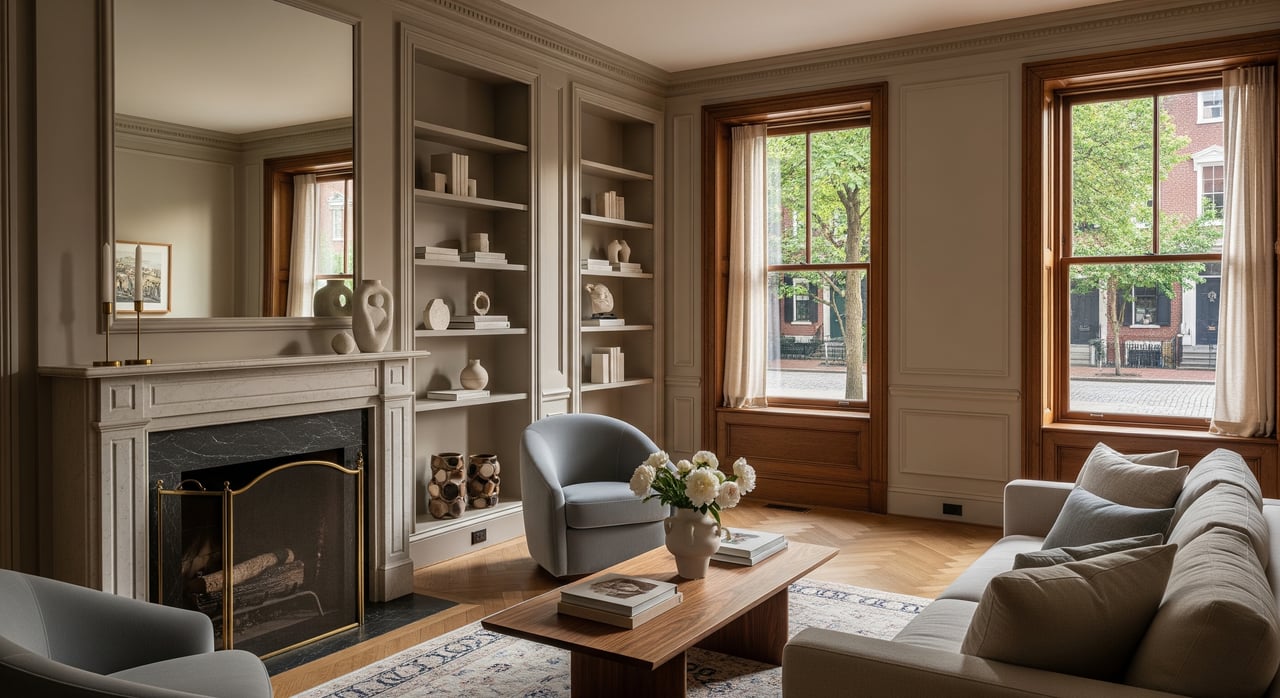
Selling a Georgetown rowhouse or mansion raises a familiar question: how do you showcase the charm that buyers love while meeting their expectations for modern comfort. You want a premium result without risking historic fabric or running into approval delays. In this guide, you’ll learn how to stage for today’s luxury buyers, what to update, when to preserve, and how to leverage tools that simplify the process. Let’s dive in.
What today’s Georgetown buyers expect
Buyers in Georgetown prize original details like moldings, mantels, and floorboards along with updated kitchens, baths, and mechanical systems. Many are executives, diplomats, or downsizers who value walkability, privacy, outdoor space, and turnkey living. They look for quality finishes, smart lighting, and efficient HVAC and wiring. When you present historic character alongside modern function, you position your home for a premium.
Respect the rules before you refresh
Georgetown’s exterior changes often require review by the Old Georgetown Board and oversight from the DC Historic Preservation Office. Work visible from the public street, such as windows, doors, masonry, fences, and rooflines, typically needs approval. Interior work is usually not regulated unless your property is a designated landmark or has an easement. Consult early, favor repair over replacement, and document any alterations so buyers feel confident about the home’s care.
High-impact staging that protects character
The goal is to highlight authenticity while creating a calm, current backdrop that photographs beautifully. Focus on targeted, reversible updates that respect original materials and details.
Lighting and paint that flatter
- Choose a neutral, warm palette that complements older plaster and woodwork.
- Upgrade to LED bulbs and layer ambient, task, and accent lighting in period-appropriate fixtures.
- Deep clean and polish or refinish floors to let original wood shine.
Scale furniture to historic rooms
- Select pieces that fit the proportions of parlors and dining rooms.
- Keep sightlines open to emphasize window and door heights, mantels, and trim.
- Use fewer, better pieces so the architecture takes the lead.
Kitchens and baths that feel current
- Prioritize cosmetic refreshes like hardware, countertops, fixtures, and backsplash.
- Keep surfaces clutter-free for photos and showings.
- If cabinets are original and sound, repair and update hardware instead of replacing.
Primary suite that feels like a retreat
- Neutral bedding, matching night tables, and layered lighting create a serene look.
- Present a spa-like bath with high-end towels and simple accessories.
- Show functional storage where possible, and keep surfaces clear.
Flexible rooms that make sense
- Stage a parlor as a work-from-home office if it suits the layout.
- Show basements or attics as a media room, gym, or office, and note ceiling height as needed.
- Clarify traffic flow so buyers understand how they would live in the home.
Outdoor spaces that sell a lifestyle
- Georgetown courtyards, terraces, and roof decks are major selling points.
- Create defined zones for dining and lounging with tidy, low-maintenance plantings.
- Add soft lighting so spaces feel inviting in twilight photos and evening showings.
Preserve first, replace last
Whenever possible, repair character-defining elements like windows, doors, and moldings. If replacement is necessary, choose historically sensitive options and keep changes reversible. Conceal new HVAC, wiring, or plumbing runs in secondary spaces, and keep records of the work and approvals. Buyers value authenticity and documented stewardship.
Photography and digital presentation
High-end buyers often start online, especially out-of-area purchasers. Use a photographer who understands historic interiors, narrow rooms, and window light. Include detail shots of mantels, floorboards, and trim along with wide shots that show flow. Add a 3D tour and a clear floor plan so remote buyers can grasp the layout before scheduling a visit.
Virtual staging, done right
Virtual staging is a cost-effective way to show furnishing options for vacant or partially furnished rooms. It works best when paired with accurate photos of the empty space or a 3D tour. Always disclose virtual edits according to local MLS rules. For luxury listings, physical staging of primary rooms still creates the strongest in-person impact.
Compass Concierge: upgrade now, pay at closing
Compass Concierge can front the cost of pre-listing services like staging, painting, minor renovations, decluttering, photography, and more. You repay at closing, which means you can move forward without upfront cash and still present a polished listing. Confirm eligible services, vendor standards, and terms for the Georgetown market. Align the scope with preservation requirements, and keep all approvals and permits on file for buyers and appraisers.
Step-by-step pre-listing plan
- Confirm historic status, easements, and any needed approvals for exterior work.
- Engage an agent experienced with Georgetown historic properties and recent local comps.
- Deep clean, declutter, and depersonalize.
- Address safety and mechanical items such as HVAC, electrical, and plumbing.
- Repair or restore visible historic fabric, including floors, fireplaces, trim, and moldings.
- Complete cosmetic updates: neutral paint, lighting, and hardware. Weatherstrip original windows where appropriate.
- Stage primary rooms and outdoor spaces. Use virtual staging selectively for secondary rooms.
- Book professional photos, floor plans, and a 3D tour.
- Assemble a disclosure packet with approvals, restoration records, warranties, and surveys.
- Plan showings to protect fragile features and keep staging intact.
Timing, inspections, and documentation
If you plan any visible exterior changes, allow time for review and approval. Many sellers complete staging and photography within a 2 to 6 week window, depending on scope. Schedule photography to take advantage of natural light, and bring supplemental lighting for interiors. Keep receipts, approvals, and contractor documentation to support value during appraisal and buyer review.
Work with a Georgetown-savvy team
Staging a historic home is part art, part coordination. You need a senior-led team that knows local rules, luxury buyer expectations, and the right vendors for historic properties. From Compass Concierge and partial or full-service staging to 3D tours and curated marketing, you benefit when every detail supports value. If you are preparing to sell, let us tailor a plan that protects character and maximizes results.
Ready to position your Georgetown home for today’s buyers. Connect with The Martin & Jeff Group for a confidential consultation.
FAQs
Do I need approval to change my Georgetown front door or windows
- If visible from the public street within the Georgetown Historic District, approvals are often required, so consult the Old Georgetown Board and HPO early.
Should I fully renovate my kitchen before listing a historic Georgetown home
- Not always; high-quality cosmetic upgrades and modern appliances often meet buyer expectations if the layout is functional and systems are sound.
Is physical staging worth it for luxury Georgetown listings
- Yes for most homes; if budget is limited, stage the main entertaining spaces and the primary suite, and use virtual staging selectively elsewhere.
Can Compass Concierge cover exterior restoration in Georgetown
- Program terms vary; exterior work that changes public-facing features may require approvals, so confirm both eligibility and preservation requirements first.
How do I balance modern upgrades with preservation in a Georgetown rowhouse
- Favor reversible changes, repair original elements when possible, conceal modern systems in secondary spaces, and document all work and approvals.
Are 3D tours necessary for historic Georgetown properties
- Strongly recommended; they help out-of-area buyers understand layout and condition, which can increase qualified interest and reduce unnecessary showings.
