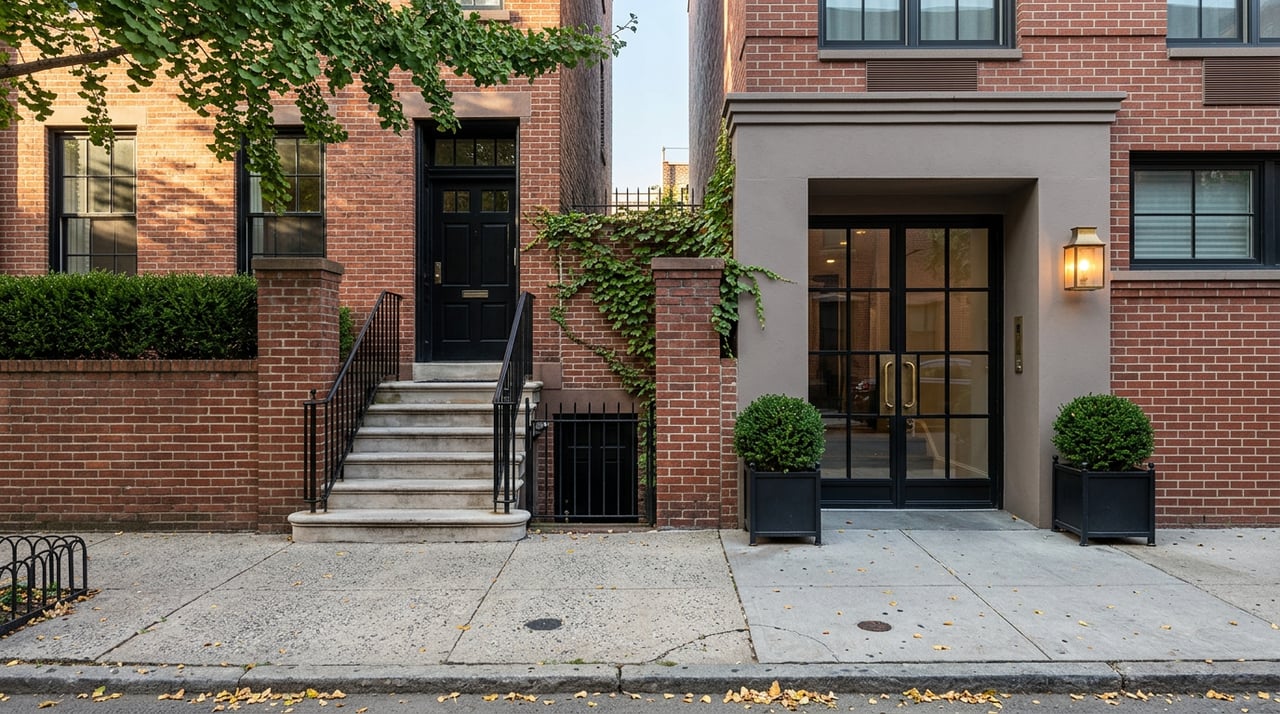
Torn between the charm of a Dupont townhouse and the ease of a condo? You are not alone. In a neighborhood rich with history, architecture, and everyday convenience, the right choice comes down to how you want to live day to day. In this guide, you will learn how townhouses, condos, and even co‑ops work in Dupont, what to expect for maintenance and monthly costs, how historic rules affect renovations, and a practical checklist to compare options with confidence. Let’s dive in.
Dupont Circle at a glance
Dupont Circle is a formally designated historic district known for ornate brick rowhouses and grand avenues. Its core buildings date to roughly 1875–1931, with Queen Anne and Richardsonian Romanesque details that still define the streetscape today. The contrast of side‑street townhouses and stately avenues is part of the neighborhood’s signature character, as documented in the Dupont Circle Historic District nomination.
You also get exceptional walkability. The Red Line’s Dupont Circle station anchors the neighborhood, and daily needs are an easy stroll from most blocks. Dupont routinely scores in the high 90s for walkability and transit, according to Walk Score’s Dupont Circle page. That mix makes both townhouse and condo living compelling for different reasons.
What “townhouse,” “condo,” and “co‑op” mean here
Townhouse (rowhouse)
A Dupont townhouse is typically an attached, multi‑story brick home on its own lot. You usually own the building and the land in fee simple, which means you control and pay for your own exterior and interior maintenance. Many houses retain classic layouts with a parlor floor, stoop, and rear ell, described in the historic district nomination. Some have been converted over time into multi‑unit buildings or condominium regimes, so the legal structure can vary by address.
Condominium
A condo is a form of ownership rather than a specific building type. In Dupont, condos appear in converted rowhouses, boutique walk‑ups, and full‑service mid‑ and high‑rises. You own the interior of your unit and share ownership of common elements with other owners. Monthly association dues fund building operations, maintenance, and reserves.
Co‑op
Co‑ops are less common than condos but do exist in central D.C. neighborhoods. You purchase shares in a corporation that owns the building, and your monthly maintenance often bundles building taxes, insurance, and operations. Co‑ops usually have board approvals and different financing mechanics, which can affect timelines and resale.
Lifestyle and maintenance tradeoffs
Privacy and layout
- Townhouses offer a private entrance, no one above or below in many homes, and outdoor space like a stoop, patio, yard, or roof deck. That can help with privacy and household noise control.
- Condos share walls, floors, and common areas. You trade some privacy for convenience and a lower personal maintenance load.
Amenities and service
- Condos, especially larger buildings, may offer elevators, a staffed front desk, fitness rooms, and shared rooftops. These services simplify daily life but increase monthly dues.
- Townhouses prioritize private, flexible space. Think basements, potential garage access, and the ability to tailor your home to your needs without building‑wide rules for every change.
Historic‑district rules and renovations
If you buy a townhouse in the Dupont Circle Historic District, exterior changes visible from the street can require review and a permit from DC’s Historic Preservation Office and HPRB. Items like façade work, windows, cornices, stoops, and rooftop additions may trigger review. Plan timelines and budgets accordingly and learn more from the DC Office of Planning’s Dupont Circle Historic District page.
Insurance differences
- Condo owners typically carry an HO‑6 policy that covers the unit’s interior and personal property, while the association’s master policy insures the building exterior and common elements. See this HO‑6 primer for what is generally covered.
- Townhouse owners usually carry a broader homeowner policy that covers the structure and land. Your exposure to exterior damage and roof issues is higher, so confirm coverage details with your insurer.
Cost and carrying costs
HOA and building dues
Association dues vary widely in Dupont. Smaller converted buildings can have lower fees, while full‑service buildings with parking, front desk, and amenities sit higher. Nationally, the median monthly HOA fee across listings was about 135 dollars in 2025, according to a Realtor.com analysis reported via PR Newswire. The local number you care about is the specific building’s line items and what they include.
How to read a fee:
- Ask what utilities are included and whether parking is bundled or separate.
- Review reserves, recent assessments, and upcoming capital projects.
- Compare services side by side. A staffed front desk and elevators cost more, but they may match your lifestyle.
Property taxes and DC homeowner relief
Factor property taxes into your monthly budget. D.C. offers a Homestead Deduction and assessment cap for owner‑occupants that reduce taxable value. Program details change by tax year, so confirm the current figures with the DC Office of Tax and Revenue.
Financing and resale
- Townhouses that are fee simple are usually financed like single‑family homes, with fewer project‑level hurdles.
- Condos must meet lender and investor rules. Some small or recently converted projects may not fit conventional guidelines, which can limit financing options or affect interest rates unless the project qualifies. Learn how lenders review condo projects through Fannie Mae’s Project Eligibility Review Service.
- Co‑ops involve share loans and board approvals, which can influence timelines and buyer pools.
Parking and getting around
Dupont’s walkability and reliable Red Line access mean you can live car‑lite. Still, street parking is limited and often metered. Many residents use the Residential Permit Parking program, and some condos or townhouses include assigned or separately deeded spaces. Review building offerings and local curbside programs via DDOT’s ParkDC overview.
Quick decision guide
Choose a townhouse if you want:
- A private entrance, outdoor space, and greater control over your home.
- Flexibility to renovate over time, balancing historic review with long‑term value.
- Fewer building rules and potentially broader financing options.
Choose a condo if you prefer:
- A lock‑and‑leave lifestyle with building maintenance and services handled for you.
- Elevators, a front desk, fitness rooms, or a shared roof deck.
- Predictable monthly upkeep and a smaller personal maintenance workload.
Consider a co‑op if you value:
- Bundled monthly costs that may include building taxes and insurance.
- A quieter, often prewar building culture with board approval processes.
Your Dupont due diligence checklist
Documents to request early:
- For condos and co‑ops: current budget, recent audited financials, reserve study, percentage of owner‑occupied units, delinquency rate on dues, pending litigation, rental bylaws, master insurance policy, and any special assessments under discussion. These items also support lender approvals and resale liquidity.
- For townhouses: records of exterior work, HPRB/HPO approvals for prior changes, roof and masonry history, any structural or foundation reports, and evidence of drainage or basement moisture remediation.
Inspections to prioritize:
- Full home inspection plus specialists for roof, masonry, HVAC, plumbing, and older systems like steam radiators or chimneys.
- Lead‑safety awareness for pre‑1978 homes. If you plan to renovate, follow EPA RRP guidance to ensure safe work practices. Start with the EPA’s consumer page.
Costs and rules to verify:
- Parking: confirm if a space conveys, whether it is deeded or assigned, and monthly costs, if any.
- Fees: understand exactly what dues cover and how reserves compare to upcoming capital needs.
- Financing: ask your lender about project eligibility, especially for small conversions. Reference Fannie Mae’s PERS overview for how underwriters review buildings.
- Rentals: check association bylaws on subletting and short‑term rentals, and confirm D.C. registration and tax rules before assuming flexibility.
Bringing it together
In Dupont Circle, both choices are strong. A townhouse gives you architectural character, privacy, and long‑term control in a historic setting. A condo prioritizes simplicity, services, and a turnkey lifestyle close to everything. The right fit balances how you live, how hands‑on you want to be with maintenance, and what level of monthly predictability you want.
If you would like an expert, local take on specific addresses, building financials, or a side‑by‑side cost comparison, we are here to help. For discreet guidance and tailored tours across Dupont’s best blocks, contact The Martin & Jeff Group.
FAQs
What makes Dupont Circle a historic district, and why does it matter?
- Dupont’s period of significance runs roughly 1875–1931, and exterior changes visible from the street may require review by DC’s Historic Preservation Office and HPRB, which can affect timelines and budgets. See the Dupont Historic District page for specifics.
How do condo fees in Dupont compare to national numbers?
- Fees vary by building age, size, and services. Nationally, the median monthly HOA fee across listings was about 135 dollars in 2025, per PR Newswire reporting, but Dupont buildings range widely. Always review what a specific fee includes.
How do lenders evaluate D.C. condos, and why does that affect me?
- Lenders review the project’s financial health, insurance, owner‑occupancy, and other factors against investor standards. Some buildings require extra review. Fannie Mae’s Project Eligibility Review Service explains how condo projects are vetted.
What insurance do I need for a condo versus a townhouse in Dupont?
- Condo owners typically carry HO‑6 coverage for interiors and personal property, with the building insured by a master policy. Townhouse owners usually need a broader homeowner policy covering the structure and land. Review details with your insurer and the HO‑6 overview.
Is street parking realistic if I buy in Dupont?
- Many residents use D.C.’s Residential Permit Parking and pay close attention to block‑by‑block rules. Some properties include deeded or assigned spaces. Review curbside programs and permits at DDOT’s ParkDC.
I plan to renovate an older Dupont home. What should I know about lead safety?
- Homes built before 1978 can contain lead‑based paint. If you renovate, require contractors to follow EPA’s RRP rules for safe work practices. Start with the EPA’s RRP consumer guide.
